Rutger Bregman Launches Moral Ambition Movement at Princeton, Accuses BBC of Censorship
- Nov, 26 2025
- 0 Comments
- Kendrick Fairway
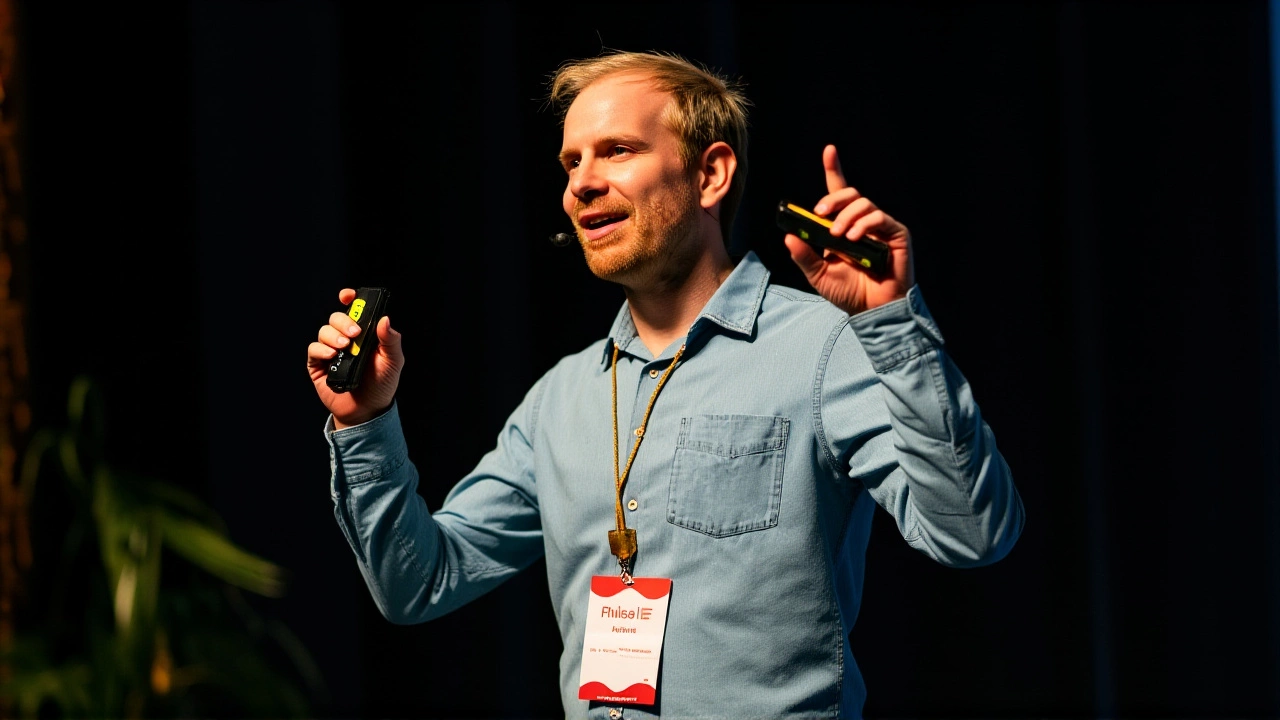
When Rutger Bregman stood before 100 students at Robertson Hall in November 2025, he didn’t offer career advice—he issued a moral challenge. "Your twenties are really the time when you write the constitution for the rest of your life," he told them. "Once McKinsey gets its claws in you, it’s going to be much harder." The Dutch historian, author of Humankind and Utopia for Realists, was launching the pilot of The School for Moral Ambition, a global movement demanding we stop chasing status and start chasing meaning. And he wasn’t just talking to students. He was calling out an entire system.
What Is Moral Ambition—and Why Does It Matter?
Bregman defines moral ambition as "the will to make the world a wildly better place. To stand on the right side of history, and devote your career to the greatest challenges of our time." It’s not idealism without teeth. It’s the idealism of an activist, the ambition of an entrepreneur, the rigor of a scientist, and the humility of a monk—all fused into a single life decision. This isn’t about volunteering on weekends. It’s about choosing your profession as a moral act. The movement emerged from his 2025 book, Moral Ambition: Stop Wasting Your Talent and Start Making a Difference, which has already reshaped conversations in elite universities and Silicon Valley boardrooms. Book royalties fund the nonprofit, which now counts over 19,000 members across 130+ countries. Its core mission? Redirect talent away from what Bregman calls "black hole" professions—consulting, corporate law, finance, and big tech—that absorb the brightest minds while doing little to solve climate collapse, inequality, or democratic decay.Princeton: The First Frontline
At Princeton University, the initiative isn’t theoretical. Students in the new School for Moral Ambition@Princeton are paired with New Jersey state legislators to draft policy proposals on housing, public health, and AI regulation. One group is working on a bill to cap executive pay ratios in state-contracted firms. Another is mapping how federal grant money flows—or doesn’t—to rural mental health clinics. "We’re not asking them to become activists," said Dr. Elena Ruiz, faculty advisor at the Kahneman-Treisman Center. "We’re asking them to become architects of change. Policy is the lever. Your skills are the force." The program offers fellowships of up to $25,000 for students who commit to working on high-impact issues for at least five years post-graduation. So far, 47 students have applied for the first cohort. The acceptance rate? Less than 20%.The BBC Censorship Scandal
Just weeks before the Princeton event, Bregman made headlines for a different reason. In early November 2025, he accused the BBC of censorship after the broadcaster removed a line from his commissioned Reith Lectures, titled Moral Revolution. The deleted phrase? "Donald Trump is the most openly corrupt president in American history." The lecture had been recorded four weeks earlier in front of 500 people at the BBC Radio Theatre, reviewed by editors, approved, and scheduled for broadcast. Yet, Bregman says the decision came from "the highest levels" within the BBC. "I was told the decision came from the highest levels," he posted on X. "This has happened against my wishes, and I’m genuinely dismayed by it." The backlash was swift. Over 12,000 people signed a petition demanding the full lecture be released. Former Reith lecturer Naomi Klein called it "a surrender of intellectual courage." Bregman, though disappointed, remains defiant: "The message about the cowardice of today’s elites is more relevant than ever."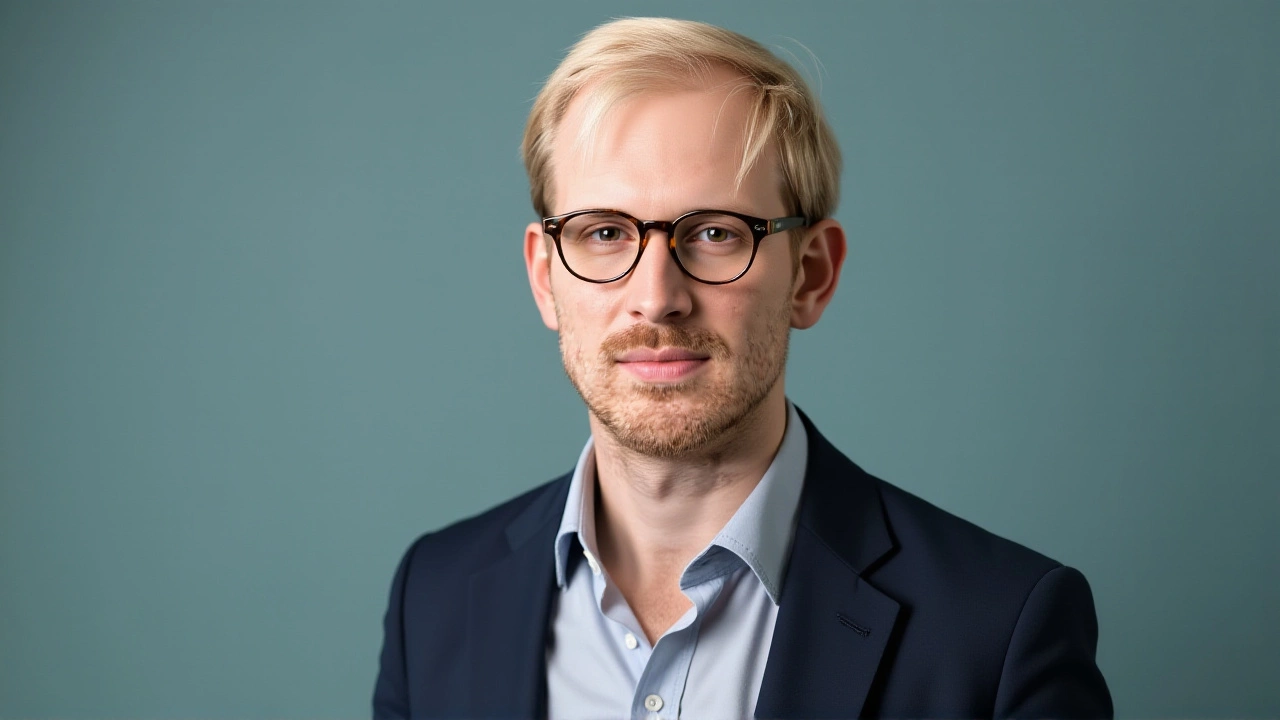
Historical Roots of a Modern Movement
Bregman’s framework doesn’t come from nowhere. He draws direct lineage to abolitionists like Thomas Clarkson and Frederick Douglass, suffragists like Susan B. Anthony, and the moral calculus of Elizabeth Cady Stanton. His references include Kevin Eagan’s analysis of the CIRP Freshman Survey, which shows college students’ concern for "making a difference" has dropped 40% since 1970. He also cites Christopher Leslie Brown’s Moral Capital: Foundations of British Abolitionism, arguing that social change rarely comes from policy alone—it comes from people who refuse to accept the status quo as inevitable. "We’ve been sold a lie," Bregman says. "That success is measured in salary, title, and square footage. The real measure? How many lives you lifted while you were climbing."What’s Next?
The School for Moral Ambition plans to expand to Oxford, Stanford, and the University of Cape Town by 2026. A fellowship fund is being established with $1.2 million in pledges from alumni of McKinsey, Goldman Sachs, and Google who left those firms to work in public health and climate policy. Meanwhile, the documentary adaptation of Humankind is entering post-production, with narrations by Richard Branson and Yuval Noah Harari. Bregman’s message is simple: You’re not fine just the way you are. And if you’re still wondering whether your job matters? Ask yourself this: If the world ended tomorrow, would your work have made it better—or just richer?Frequently Asked Questions
How does moral ambition differ from traditional career advice?
Traditional career advice focuses on climbing ladders—higher salary, bigger title, more prestige. Moral ambition flips that: it asks, "Which wall are you climbing, and does it lead anywhere meaningful?" It prioritizes societal impact over personal gain, measuring success by how much you reduce suffering, not how much you accumulate. The School for Moral Ambition even tracks alumni impact through metrics like policies passed, lives reached, and systemic changes initiated.
Who qualifies for the fellowship program?
Students must be enrolled in a university with a partnered chapter, demonstrate a clear plan to work on a high-impact global issue for at least five years after graduation, and submit a letter of intent signed by a mentor in the field. Financial need is considered, but not required. The first cohort included students from economics, computer science, and even philosophy backgrounds—all united by a refusal to work in "black hole" professions.
Why target consulting, finance, and tech specifically?
These industries attract top-tier talent but often channel skills toward optimization, extraction, or shareholder value rather than human welfare. A McKinsey consultant might help a pharmaceutical company raise drug prices by 300%. A fintech engineer might design predatory loan algorithms. The School doesn’t condemn the people—it condemns the system that rewards these outcomes. The goal is to redirect that talent toward clean energy policy, equitable education, or democratic reform.
Is the BBC’s censorship part of a larger trend?
Yes. A 2024 study by the Tow Center for Digital Journalism found that 68% of major media outlets self-censored politically sensitive content in the past two years, particularly around U.S. elections and corporate accountability. The BBC’s decision mirrors similar incidents at NPR and the Guardian, where critiques of powerful figures were softened or removed under pressure. Bregman’s case is unusual because it was recorded, approved, and then censored post-production—making it a rare public example of institutional cowardice.
What’s the long-term vision for The School for Moral Ambition?
The goal is to create a global network of 100 university chapters by 2030, each with its own policy lab and fellowship fund. Beyond education, the movement aims to build a "moral resume" standard—where job applicants list their societal impact alongside their degrees. Bregman envisions a future where employers compete not just for talent, but for moral credibility. "We want to make doing good not just noble," he says, "but normal."
How can someone outside academia get involved?
The School for Moral Ambition has over 1,400 local "circles"—small groups that meet monthly to discuss ethical career shifts, share job leads in impact sectors, and support each other through transitions. Anyone can join for free at moralambition.org. They also host virtual "Moral Ambition Hours" where professionals who left high-paying jobs to work in public health, climate justice, or education share their stories. No degree required. Just courage.